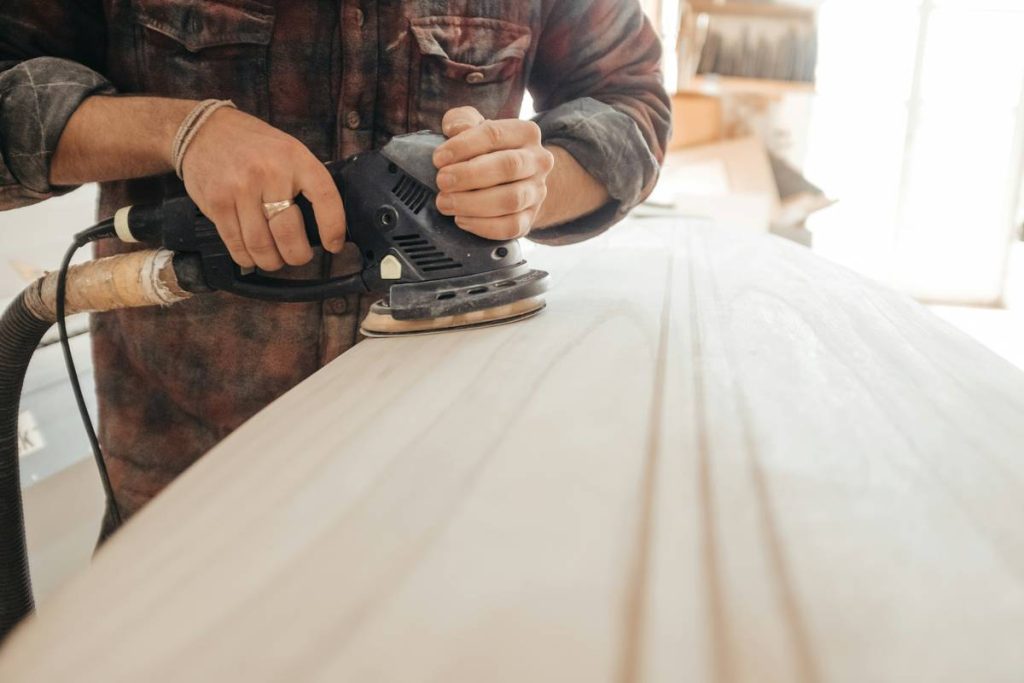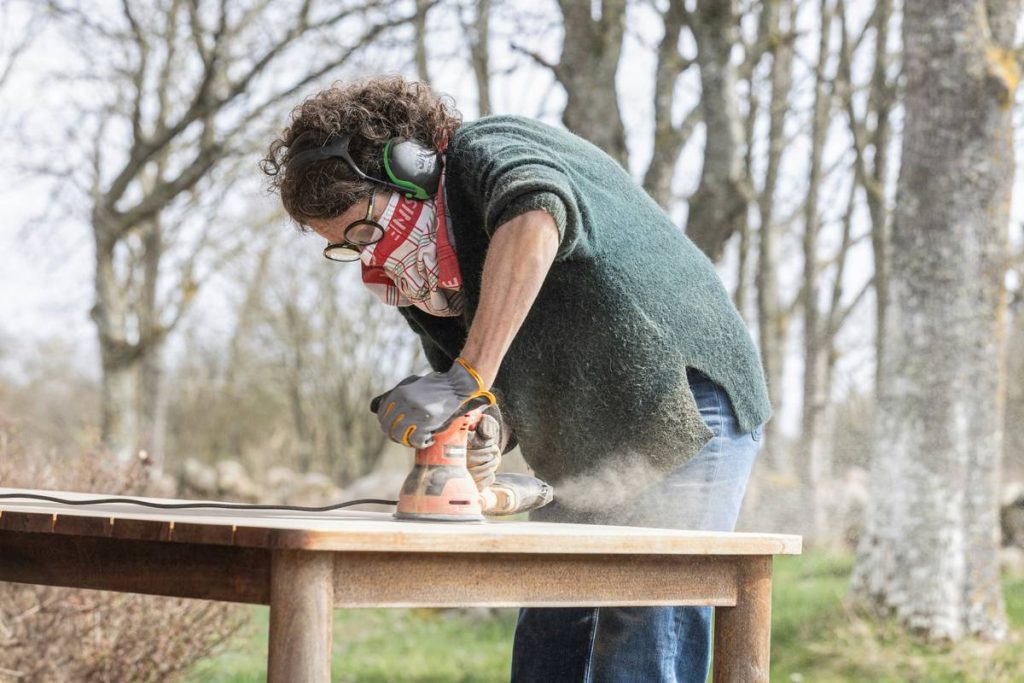
You’re elbow-deep in a refinishing job—sweating, knuckles raw, sandpaper curling at the edges. You’ve been hand sanding for hours, convinced it’s “more precise.” But your finish still looks uneven. And your project deadline? It’s breathing down your neck. Here’s the truth: choosing between a random orbital sander vs hand sanding isn’t about tradition—it’s about results, time, and sanity.
Why Most DIYers Fail with Manual Sanding
Hand sanding feels intuitive. Like you’re “in control.” But human hands aren’t machines. Pressure varies. Angles drift. You fatigue by the third board. The result? Swirls, dips, and inconsistent grit patterns that scream amateur—even if the wood grain is gorgeous.
And don’t kid yourself: fine woodworking forums romanticize hand sanding like it’s a meditative craft. In reality, pros use power tools for 95% of prep work. Why? Because clients pay for flawless finishes—not sore forearms.
Random Orbital Sander vs Hand Sanding: A Practical Breakdown
Let’s cut through the noise. Below is a side-by-side comparison based on real-world scenarios—from furniture restoration to drywall patching.
| Factor | Random Orbital Sander | Hand Sanding |
|---|---|---|
| Speed (8 sq ft surface) | 3–6 minutes | 25–45 minutes |
| Surface Consistency | Uniform scratch pattern—ideal for staining | Inconsistent pressure creates streaks & swirls |
| Physical Effort | Low (guides itself) | High (repetitive strain risk) |
| Edge & Corner Access | Limited (requires detail sander backup) | Superior precision in tight zones |
| Cost Over Time | $50–$150 upfront + $5/month discs | $0 tool cost—but hidden labor cost adds up fast |
When to Reach for the Power Tool
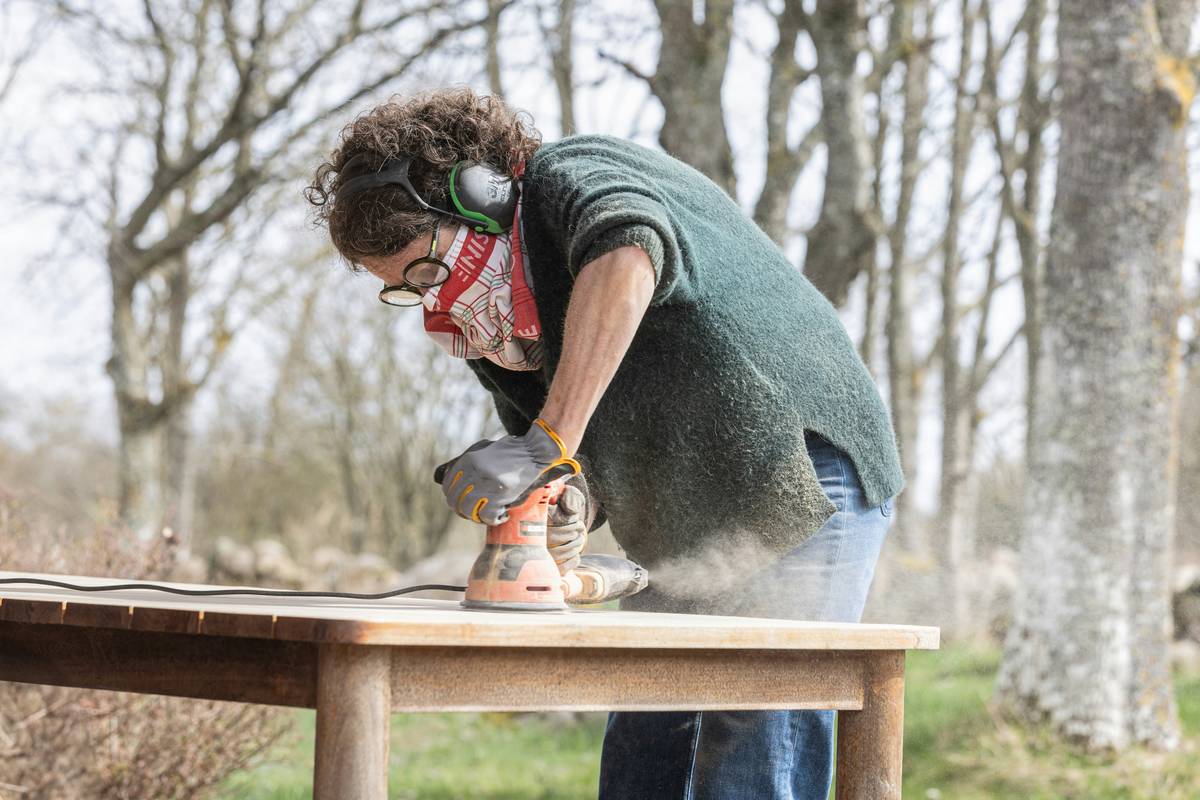
Large flat surfaces—tables, cabinets, doors—demand a random orbital sander. Its dual-action motion (rotation + orbit) eliminates swirl marks that belt or sheet sanders leave behind. Start coarse (80 grit), finish fine (180+). Let the tool do the work. Keep it moving—linger, and you’ll gouge.
Where Hand Sanding Still Shines
Inside miter joints. Curved chair legs. Trim around electrical outlets. These spots laugh at round sanding pads. Here, a sanding sponge or folded sheet gives tactile feedback no machine replicates. Use it as a finisher, not the primary method.
The Industry Secret No One Talks About
Here’s what pro cabinet shops won’t tell you: they always blend both methods—but in a specific sequence. They run the random orbital sander through 120 grit across the entire piece. Then, they switch to 150 grit by hand along all edges and corners. Why? To soften the transition zone where the sander can’t reach, preventing “hard lines” under finish.
Think about it: a flawless surface isn’t about choosing one tool over the other. It’s about leveraging each where it dominates. That’s how you get showroom-ready results without burning out.
Frequently Asked Questions
Is hand sanding better for delicate wood?
Not necessarily. Delicate woods like cherry or maple actually benefit from the even pressure of a random orbital sander set to low speed. Hand sanding often removes too much material too quickly in soft spots.
Can a random orbital sander replace all hand sanding?
No—especially not in corners, carvings, or moldings. Use it for 90% of the surface, then hand-sand the last 10%. Trying to force a sander into tight spaces causes damage.
Which method gives a smoother final finish?
A properly used random orbital sander does—provided you progress through grits correctly and avoid skipping. Hand sanding rarely achieves the microscopic uniformity needed for high-gloss polyurethane.