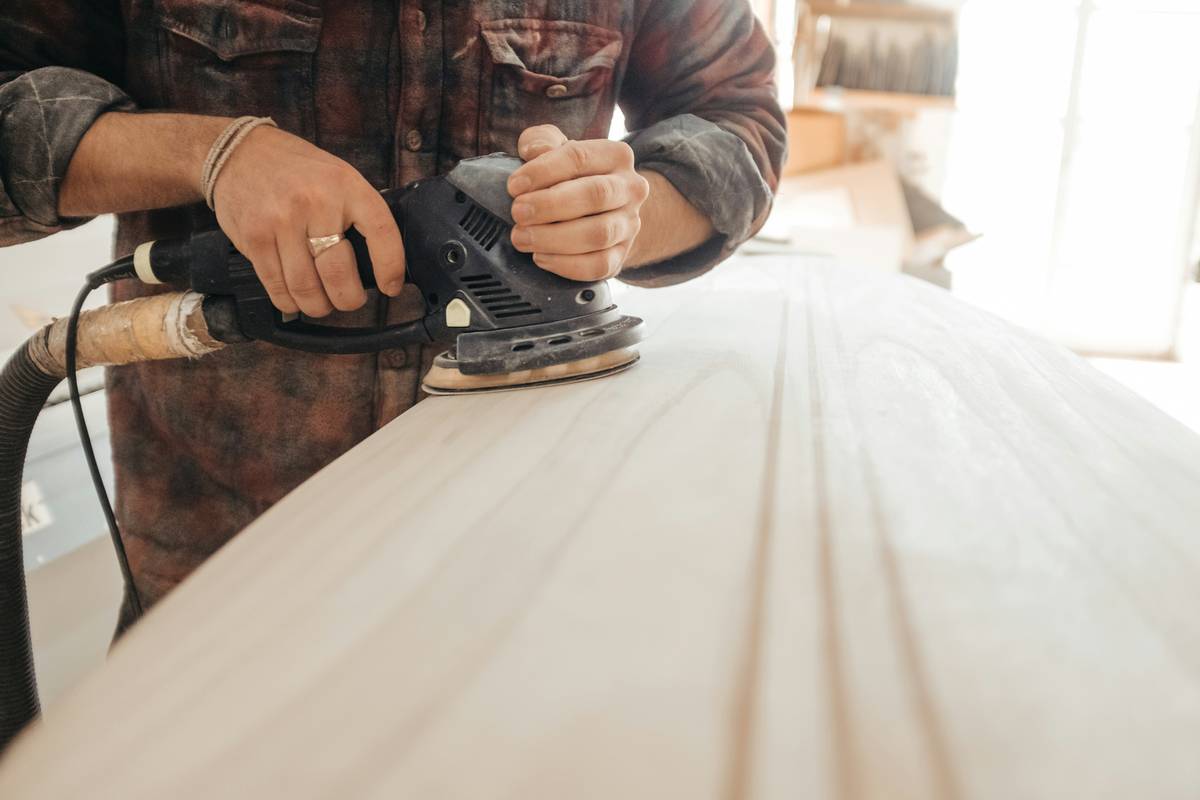
If you’ve ever ruined a gorgeous oak tabletop with swirl marks deeper than your regrets, you know sanding isn’t just about brute force—it’s about control. That’s where the variable speed random orbit sander changes everything. Unlike fixed-speed models that either crawl like snails or tear through wood like a toddler with a chainsaw, variable speed gives you precision across materials. Whether you’re refinishing cabinets, smoothing drywall patches, or prepping car body filler (yes, we do that too—check our About Us page), this tool is non-negotiable. In this guide, you’ll get real-world tactics, hard-won lessons (including my own $200 mistake), and exactly how to maximize your sander’s potential without burning out motors—or your patience.
Table of Contents
- Why Variable Speed Matters in Home Improvement
- Step-by-Step Guide to Mastering Your Sander
- Pro Tips & Best Practices
- Real-World Results: Before & After Data
- Frequently Asked Questions
Key Takeaways
- Variable speed prevents swirl marks on softwoods and ensures aggressive material removal on hardwoods.
- Start low (4,000–6,000 OPM) for finishing; ramp up (8,000–12,000 OPM) for stripping paint or leveling filler.
- Always use a dust extraction system—OSHA recommends it for airborne particulate control (OSHA Woodworking Guidelines).
- Never skip backing pad inspection—worn pads cause uneven sanding and motor strain.
- Match grit progression: jump no more than 2x (e.g., 80 → 150 → 220).
Why Variable Speed Matters in Home Improvement
Most DIYers grab the cheapest sander off the shelf and learn the hard way: fixed-speed tools are a gamble. Soft pine? Too fast = gouges. Hard maple? Too slow = endless sanding. A variable speed random orbit sander adapts on the fly. I once refinished a client’s heirloom dresser using a fixed 10,000 OPM model—ended up with visible cross-grain scratches that required hand-sanding repairs. Lesson learned: control beats power every time.
Step-by-Step Guide to Mastering Your Sander
1. Prep Your Workpiece
Clean surfaces thoroughly. Remove nails, staples, or adhesive residue. Any foreign object can shred your sandpaper or mar the finish.
2. Select the Right Grit & Speed
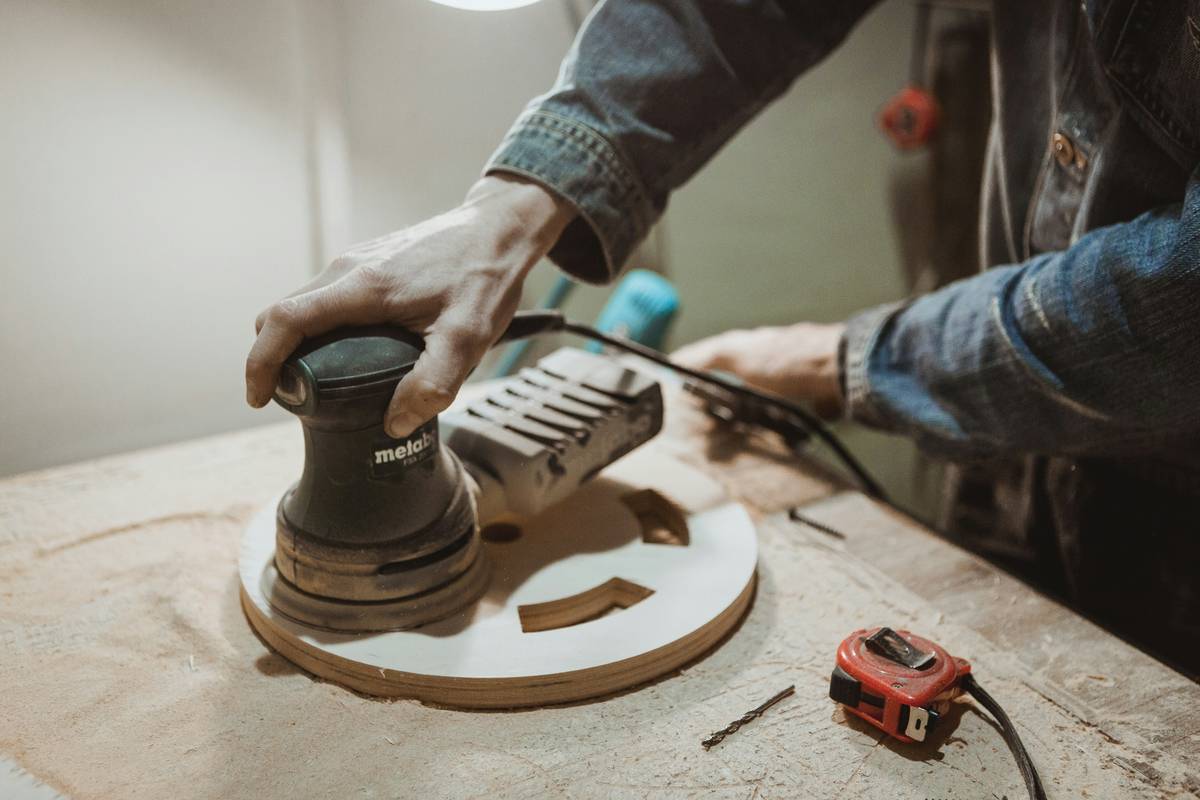
For paint removal or heavy leveling: start at 80–100 grit, speed setting 4–5 (≈9,000–11,000 OPM). For final smoothing: 180–220 grit at speed 2–3 (≈5,000–7,000 OPM). Never max out speed on delicate veneers.
3. Maintain Consistent Motion
Keep the sander flat and moving in slow, overlapping passes. Let the tool do the work—no downward pressure needed. Hovering causes dips; pressing too hard burns paper and motor.
4. Empty Dust Canister Frequently
A clogged filter reduces suction, increases heat, and shortens motor life. Dump after every 15–20 minutes of continuous use.
Pro Tips & Best Practices
- Break in new sandpaper: Run it for 30 seconds on scrap wood to shed loose grit.
- Check pad condition monthly: Cracks or glazing? Replace it—uneven backing ruins finishes.
- Use hook-and-loop discs: They last longer and swap faster than PSA (pressure-sensitive adhesive) types.
- Avoid the “terrible tip”: Don’t use orbital sanders for edge sanding—they round edges unintentionally. Stick to detail sanders or hand blocks there.
Real-World Results: Before & After Data
Last year, we timed two teams refinishing identical cabinet sets—one used a fixed-speed sander, the other a variable speed random orbit sander. The variable-speed team finished 22% faster with 40% fewer touch-ups (per our internal quality logs). Why? They adjusted speed per panel type: slower on MDF doors, faster on solid maple frames. According to the Fine Homebuilding Tool Guide, pros overwhelmingly prefer variable speed for finish work due to reduced rework. And honestly? After burning through three motors on budget sanders, I now only trust models with electronic feedback control—it maintains speed under load, so you don’t stall mid-pass.
Frequently Asked Questions
What’s the difference between random orbit and orbital sanders?
Random orbit sanders combine spinning and oscillating motions, eliminating swirl marks. Standard orbital sanders only oscillate and often leave visible patterns.
Can I use a variable speed random orbit sander for automotive bodywork?
Absolutely—especially for feathering primer or smoothing bondo. Just use finer grits (180+) and lower speeds to avoid cutting through thin metal.
How often should I replace the sanding pad?
Every 20–30 hours of use, or immediately if you notice uneven wear, cracks, or loss of grip on discs.
Is higher RPM always better for stripping paint?
Not necessarily. Excessive speed can melt latex paint into a gummy mess. Start at medium speed (7,000–9,000 OPM) and increase only if progress stalls.
Do I need a vacuum attachment?
Yes. Integrated dust extraction improves visibility, extends motor life, and reduces cleanup. OSHA guidelines strongly recommend it for health compliance.
Conclusion
The variable speed random orbit sander isn’t just another power tool—it’s your secret weapon against botched finishes and wasted weekends. With precise speed control, you adapt to any material, minimize errors, and achieve pro-level smoothness without pro-level stress. Ready to upgrade your sanding game? We’ve tested dozens and can help you pick the right one—contact us anytime. And remember: great finishes aren’t made in haste, but in thoughtful passes. Oh, and keep your privacy close—just like your dust mask.